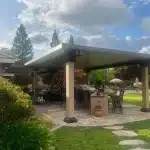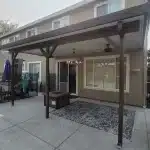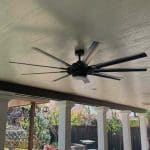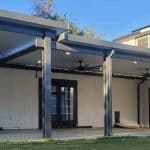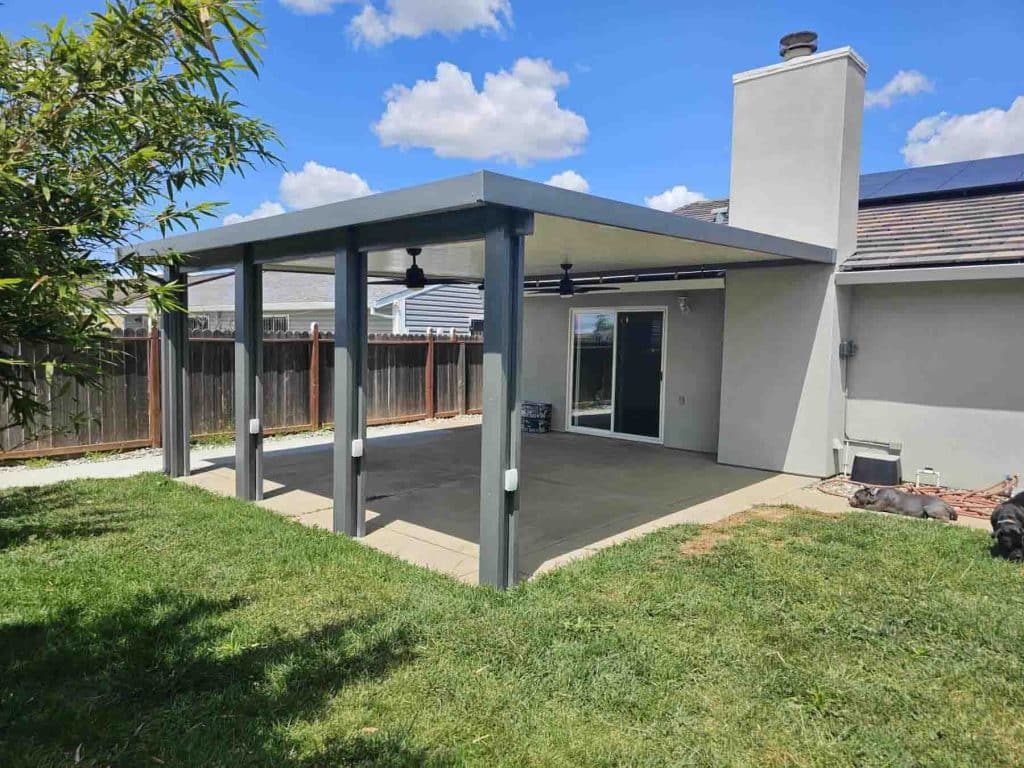
A warm afternoon filled with sizzling grills, family, friends, and fun is the perfect way to relax after a week of hard work. Your backyard looks ready, but the concrete is too hot to stand on, the cushions are fading, and the tables feel like they have been sitting under a heat lamp all day.
That is when you realize a solid aluminum patio cover is the perfect solution, especially when the sun gets too harsh.
| Low-Maintenance Patio Covers, Contact Us Now ! |
How Do Solid Aluminum Patio Covers Solve a Real Backyard Problem?
Most people overlook patio covers because they focus more on design details like panel profiles or post spacing. But sooner or later, they realize their backyard is not as functional as expected once the afternoon heat becomes unbearable.
Outdoor cushions are fading. A wood pergola is peeling again. A fabric canopy is sagging, twisting, or sitting in the garage because nobody wants to fight with it every weekend.
Let us look at some of the main telltale signs that your patio or backyard needs immediate attention –
| Problem | How a Solid Aluminum Cover Helps |
|---|---|
| The patio is too hot by the afternoon | Blocks direct overhead sun |
| Furniture fades too quickly | Reduces UV exposure |
| Rain soaks cushions and tables | Adds overhead protection |
| Wood shade structures need upkeep | Aluminum avoids rot, termites, and repainting |
| Temporary canopies fail in the wind | Permanent structure gives steadier protection |
The backyard should not become wasted square footage for four months of the year; instead, it should remain usable year-round. Getting a professional on-site design consultation can help you make the best use of your space. Experts can guide you in choosing between a solid, lattice, or combination patio cover layout for your backyard.
What Is the Best Material for an Outdoor Patio Cover?
There are quite a few materials and fabric options available for outdoor patio covers, but not all provide the same durability and long-term performance.
Aluminum is one of the best materials for an outdoor patio cover because it requires very little maintenance. It can resist rot, warping, termites, peeling paint, and moisture damage. But what about the other options? Well, each one comes with its own pros and cons.
Wood is a good option as it looks warm and traditional. But it requires maintenance because –
- The sun dries it out
- Rain gets into seams
- Paint flakes
- Termites find weak points
- Fasteners loosen
Soon enough, your beautiful wood structure will be asking for more care and attention than you expected.
Likewise, the fabric and canvas shade products are also preferred, but intense sun damages them in several ways, like –
- UV breaks down fibers
- Dust and pollen collect
- Wind pulls at seams
- Rain can cause the material to sag if water has nowhere to drain
With time, the fabric stretches and no longer looks crisp.
The next best option is vinyl, which is sold as a low-maintenance option. But it is not as strong as aluminum and gets brittle over time. Constant sun exposure makes it even more vulnerable, and it usually does not provide the same durability or solid feel as an aluminum patio cover.
Here is a comparison table for a better overview –
| Patio Cover Material | Maintenance Level | Durability | Best For |
|---|---|---|---|
| Solid aluminum | Very low | High | Long-term shade, furniture protection, rain coverage |
| Insulated aluminum | Very low | High | Better comfort under the cover during hot weather |
| Wood | High | Medium to high | Homeowners willing to repaint, seal, and repair |
| Vinyl | Low | Medium | Light-duty shade needs |
| Fabric or canvas | Medium | Low to medium | Temporary or seasonal shade |
Final verdict: Aluminum is found to be the best material for your backyard patio cover because it is –
- Flexible enough for solid, insulated, lattice, and combination designs
- Low-maintenance enough for busy families
- Durable enough to outlast temporary shade products for many years
- Strong enough for permanent shade
- Clean-looking enough to match your home
| Keep Your Patio Protected, Contact Us Today ! |
How Solid Aluminum Patio Covers Protect Outdoor Furniture
Most outdoor furniture is marketed as weather-resistant, but it cannot withstand direct sunlight or heavy rain throughout the year. The worst part is that you may not notice the damage immediately. Over time, your furniture and fabrics get damaged layer by layer, and before long, you may end up spending more on repairs and replacements than expected.
Overall, aluminum is much preferred because it protects outdoor furniture in three main ways –
- It reduces direct UV exposure: UV exposure is one of the main reasons outdoor cushions fade over time. An aluminum patio cover helps protect furniture from direct sunlight, allowing the fabric, stitching, foam, and finishes to last longer.
- It limits direct rain contact: Outdoor furniture materials age faster due to constant wet-dry cycles. But a solid aluminum patio cover helps protect your furniture from repeated rain exposure.
- It keeps the seating area more comfortable: Sitting in the shade is always more comfortable than sitting on sun-heated furniture. An aluminum patio cover can provide proper shade in your backyard.
An aluminum patio cover may not completely turn your outdoor space into a living room. But it can provide protection from harsh weather conditions. This can allow you to enjoy the sun, wind, and rain more comfortably without worrying about the weather.
Vinyl Vs. Aluminum Patio Covers – Which One is Better?
In general, an aluminum patio cover is much better for people who want durability and strength. Vinyl can work for lighter shade needs. But aluminum is stronger, more rigid, and better for custom patio covers.
The main advantage of vinyl is that it needs little to no maintenance and offers lower initial costs. But the material might become brittle after prolonged exposure to UV radiation. It may also move more in heat and does not usually provide the same solid structural feel.
Here are some of the questions you should be asking before you finally make your choice between aluminum and vinyl –
| Question | Better Choice | Why |
|---|---|---|
| Which is stronger, aluminum or vinyl? | Aluminum | Better rigidity and structural strength |
| Which handles custom layouts better? | Aluminum | Works with more cover styles and roof conditions |
| Which is usually cheaper upfront? | Vinyl | Often has a lower initial cost |
| Which is better for long-term shade? | Aluminum | Stronger and more durable for permanent use |
| Which feels more like part of the home? | Aluminum | Cleaner fit for structural patio roof systems |
Final Verdict: Aluminum is much preferred as it offers the flexibility that the homeowners desire. It can be used for solid flat covers, combination covers, freestanding covers, insulated panels, lattice sections, and roof-mounted designs for properties with low eaves.
What Affects Aluminum Patio Cover Pricing?
Aluminum patio cover pricing depends on the layout, size, attachment method, material type, and finish details. However, a simple attached lattice cover will not cost the same as a large insulated solid flat cover with roof mounting, custom drainage, and electrical planning.
Here are the common pricing factors –
| Cost Factor | Why It Matters |
|---|---|
| Patio size | Larger covers require more material and labor |
| Solid vs. lattice | Solid covers use different panel systems and provide more coverage |
| Insulated vs. non-insulated | Insulated panels add comfort and material value |
| Attached vs. freestanding | Freestanding covers need more independent structural support |
| Roof-mounted design | Often needed for low-eave homes and more complex layouts |
| Permits and HOA documents | Requirements vary by property and local rules |
| Fan or light planning | Wiring may need to be hidden inside the cover system |
| Drainage | Water flow must be planned correctly |
From the above table, homeowners should understand that custom patio cover pricing can vary widely because every property is different. Final pricing depends on the roofline, square footage, material selection, accessibility, and structural requirements. Site visits are also recommended because an accurate quote should be based on the actual property layout rather than just photos.
Common Mistakes Homeowners Make With Patio Shade
- Underbuilding for the real problem: Having a single umbrella shading a few chairs is not a practical solution. Likewise, cheap canopies may work for small gatherings from time to time, but they are not a long-term solution for daily heat, UV exposure, and regular backyard use.
- Choosing wood because it feels familiar: Wood looks good at first. But it comes with concerns like scratching, repainting, pests, and rot. So, you end up spending more on maintenance over time.
- Ignoring roof pitch, drainage, and attachment points: Low-pitch design usually gathers rainwater, thus staining the surfaces, creating drip lines, or stressing the material. Hence, the patio cover should be well-planned.
- Picking shade without thinking about furniture placement: The patio cover should match the space it is meant to protect. The layout should be planned around where people will sit, where the grill will be placed, whether the dining table needs full shade, and whether the rear door needs protection from heat.
- Treating patio cover design like a simple measurement job: Patio cover plans must consider more than just width and depth. The most effective design addresses issues like sun exposure, glare, rain, furniture protection, comfort, and maintenance.
| Reliable Solid Patio Covers Contact Us Today! |
Answering More Questions About Solid Aluminum Patio Covers
Do aluminum patio covers get hot?
Yes, though the aluminum patio cover gets hot under the direct sun, the patio underneath does not necessarily feel hotter. Insulated aluminum panels help reduce heat transfer, and the lighter colors reflect more sunlight than the darker ones. Insulated panels and lighter shades make the best choice for hot afternoon patios.
How long do aluminum patio covers last?
A properly designed, installed, and maintained aluminum patio cover can last for decades. The best part is that aluminum does not rot, peel like painted wood, or require regular staining. The overall lifespan also depends on drainage, quality, fasteners, finish quality, and the installation workmanship.
Does aluminum damage easily?
While aluminum does not get damaged easily under normal use, it can still get scratched or dented by heavy impact. Light scratches can usually be cleaned easily using mild soap or other non-abrasive cleaning products. The main advantage of aluminum is that it resists larger outdoor problems that often cause wood, vinyl, and fabric materials to peel, sag, or tear.
Are solid aluminum or lattice covers better for protecting furniture?
Aluminum covers are better at blocking the direct sun and rain; hence, they are better at protecting the outdoor furniture. These are also preferred for outdoor sectionals, grill areas, and lounge furniture. Lattice covers are better if you want filtered sunlight, a more open patio feel, or airflow, especially near the garden area.
What is the best color for a patio cover?
Neutral shades are the best choice, as they match the rest of the house while also reflecting more sunlight. These include whites, creams, tans, and soft earth tones, as they make the patio brighter and absorb less heat as compared to the dark colors. While the darker shades can look sharper in some homes, they hold more heat under the sun. The best color option should be in sync with the house’s trim, exterior finish, roofline, and furniture style.
Why do some people avoid aluminum patio covers?
Most people avoid aluminum because they still remember the older versions of aluminum roofs that were thin, loud, and hot. These concerns arise from outdated products or badly planned installations. When designed properly, the modern aluminum and duralium-style patios can be both durable and low-maintenance. To avoid problems, you should always select the right color, type, layout, and attachment style according to your house.
Final Thoughts
Aluminum patio covers are a great option for homeowners who are tired of faded furniture, temporary shade, hot concrete, and constant maintenance. They provide protection from direct sunlight and rain and give the patio a more functional purpose. They are highly durable and easy to maintain.
However, you should always plan according to the space you have. Solid covers work best for full shade and furniture protection. But lattice covers are best if you prefer filtered light. Insulated panels, on the other hand, are a stronger and more comfortable option if summer heat is your main concern. No matter which style you choose, the right patio cover should make your backyard feel usable and comfortable again.
Read More!
Plan Your Next Patio Cover Installation in Lincoln With New Dawn Awning
If you are planning to install aluminum patio covers in Lincoln or solid flat patio covers in Lincoln, New Dawn Awning is your best choice. With over 55 years of experience in local patio covers, we are a popular name in the region.
The New Dawn technicians handle every project directly instead of passing the work off to random subcontractors. Our team is well-known for its professional approach, from onsite consultation and design planning to measurements, material selection, permit support, HOA documentation, and final walkthroughs.
We are completely registered and licensed with the California Contractors’ State License Board in awnings, general contracting, and patio enclosures categories. New Dawn Awning carries an A+ BBB-accredited rating with continuous accreditation dating back to July 1, 1990.
With a 20-year structural and product guarantee, every custom installation is backed by long-term reliability. This gives homeowners more confidence in the protection and durability of their patio, outdoor living space, and furniture.
Call New Dawn Awning at (916) 989-3535 to get a free onsite design consultation and cost breakdown. We will help you select the right patio cover, whether it is insulated, lattice, solid, combination, freestanding, or roof-mounted, based on exactly how you use your backyard.